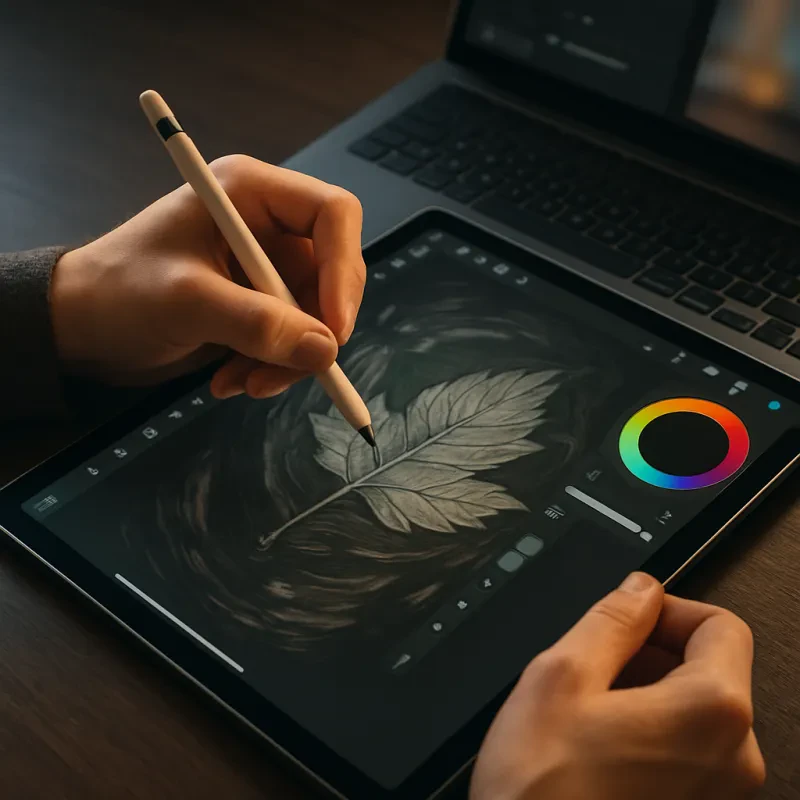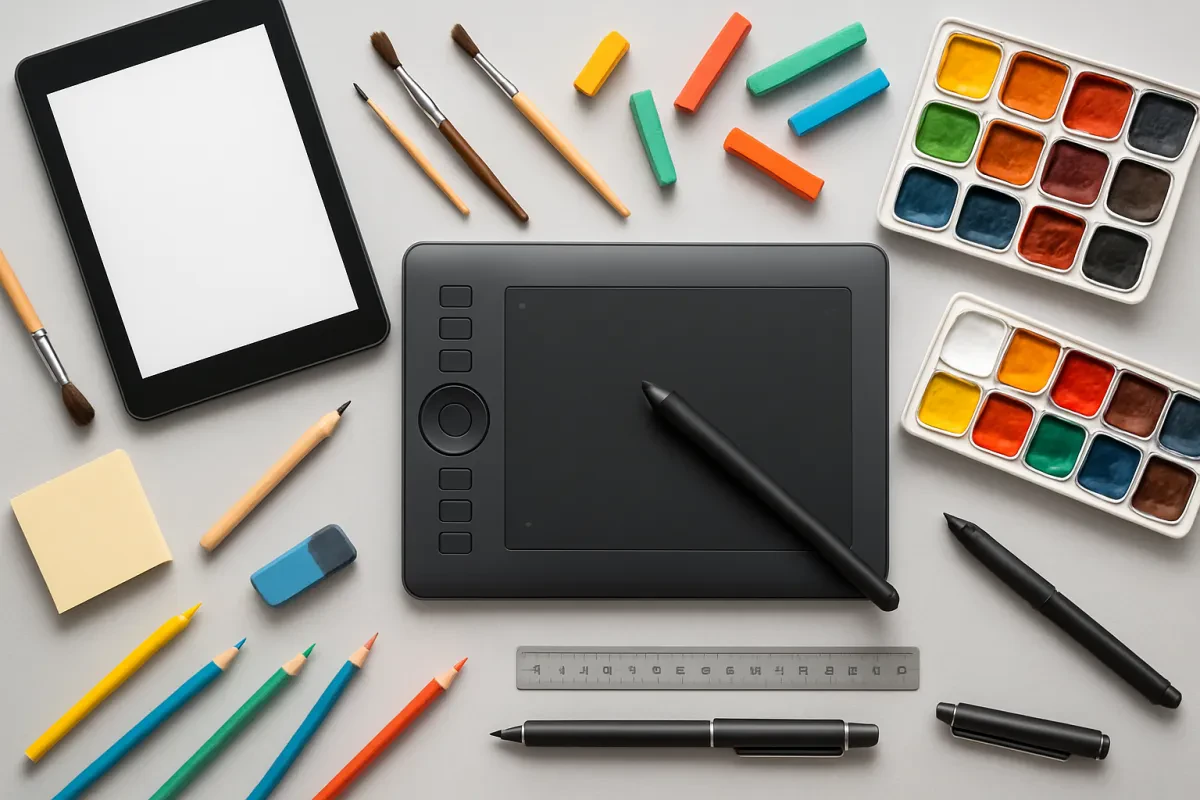
Don’t forget about your workflow. If you like to work fast and move around a lot, consider portable options. Tablets and lightweight drawing styluses can keep you on the go without slowing you down. On the flip side, if you prefer a more traditional setup, a good monitor and a dependable drawing tablet might be your jam. It's all about what feels comfortable and productive for you.
Another thing to think about is the software. Some tools are designed to work with specific programs, so check if they’re compatible with what you already use. If you’re just starting and don’t want a hefty price tag, look for affordable software that still packs a punch. There are plenty of free or budget-friendly options out there that can get you started on the right foot without breaking the bank.
Lastly, don’t forget to do your research. Check out reviews, watch tutorials, and maybe even join some art forums. The more you know, the better equipped you'll be to make choices that suit you. Buying digital art tools should feel exciting, not overwhelming. With a bit of thought, you’ll find the perfect gear that’ll help you shine in your art journey.
Set Your Budget Smartly
Setting a budget is one of the most important steps when buying digital art tools. You don’t want to overspend and regret it later. Start by figuring out how much you’re comfortable spending. This can help guide your choices and keep you from wandering into the higher-priced options that you might not really need.
Consider what you need versus what looks cool. A top-of-the-line tablet might catch your eye, but do you actually need all those features? If you’re just starting out, you can find solid tools that won’t break the bank. Look for mid-range options that have good reviews. You’ll often find that they meet your needs perfectly without costing a fortune.
Don’t forget to factor in additional costs like software or subscriptions. Some digital art tools might seem cheap upfront, but if you need to pay for programs to use them effectively, that adds up. Plan for all aspects of your purchase. Make a checklist of what you need, and match it up with your budget to see what fits.
Lastly, keep an eye out for sales or bundles. Many companies offer discounts throughout the year, especially around holidays. You can often catch a great deal if you’re patient and do a little research. This way, you can snag quality tools without stretching your budget while buying digital art tools.
Research Brands and Features
Look for features that really make a difference in your creative process. For example, things like pen pressure sensitivity are crucial for digital painting. A higher sensitivity level gives you better control over your strokes, making your artwork look more natural. Also, check the screen resolution if you're buying a display tablet. You want something that shows your work clearly, right?
Don’t forget to consider the size and portability of your tools. If you plan to take your tablet on the go, something lightweight and compact is key. But if you're looking for something to set up in your home studio, a larger tablet could be the way to go. Think about where you'll be using these tools before you make a choice.
Lastly, check out user reviews and comparisons. Hearing from other artists who’ve used the products can give you insights that product descriptions miss. It’s all about finding that perfect combination that meets your needs and budget when buying digital art tools. Happy hunting!
Try Before You Buy
When you're thinking about buying digital art tools, it helps to try them out first. A lot of brands offer demos or free trials. This way, you can see if the tool fits your style and workflow before making a purchase.
Check out online platforms that let you test out software. Many art programs come with trial versions. Try using them for a bit and see how user-friendly they are. If you’re used to a specific way of drawing, you’ll want something that feels intuitive.
If you’re eyeing a drawing tablet, visit a local electronics store. Use the display models to get a feel for their responsiveness and size. Some stores let you plug in the devices to see how they work with your favorite software. This first-hand experience is invaluable.
And don't forget about online communities! Join forums or social media groups where artists share their experiences. Ask about the tools you’re considering. Hearing from others can give you insights you won't find in product descriptions.