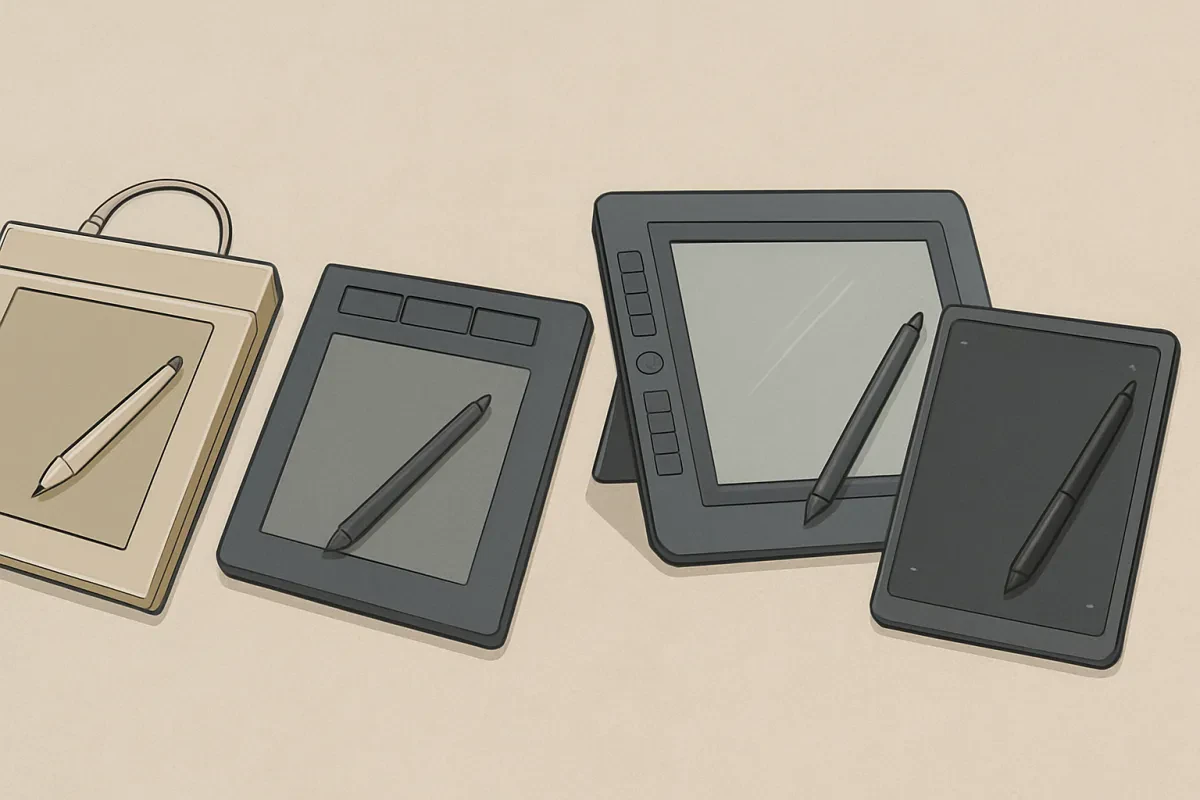
The very first drawing tablets were mostly simple devices. They didn’t have screens like we have now. Artists would use a stylus to draw on a flat surface that connected to a computer. It was a game changer, but still a bit clunky. Still, this tech opened up new possibilities for creating art, and many artists were eager to give it a try.
As time passed, manufacturers began to understand what artists really wanted. They focused on improving pressure sensitivity, which made drawing feel more natural. Some tablets even introduced customizable buttons to help artists work faster. This push for better features was a big step in the digital drawing tablets evolution.
The introduction of display tablets really shook things up. Now, artists could draw directly on the screen! This was a huge leap forward. The combination of technology and creativity ignited a new wave of digital artists who embraced these tools. It turned out that having a screen made a world of difference in how they could express themselves.
Milestones in Digital Art Technology
The digital drawing tablets evolution has been a game changer for artists everywhere. It all started back in the late 1980s with the introduction of the first graphics tablets. These early models had a rough interface, but they opened the door for digital art. Artists could finally draw directly on a surface that connected to a computer, moving away from traditional methods.
Fast forward to the late 1990s, and we saw big improvements in tablet technology. Wacom released its Intuos line, and suddenly, artists had access to pressure sensitivity and better pen responsiveness. This was a huge leap! Now, artists could create more natural and fluid strokes, mimicking the feel of traditional drawing. The digital drawing tablets evolution was in full swing, and creative possibilities started to expand.
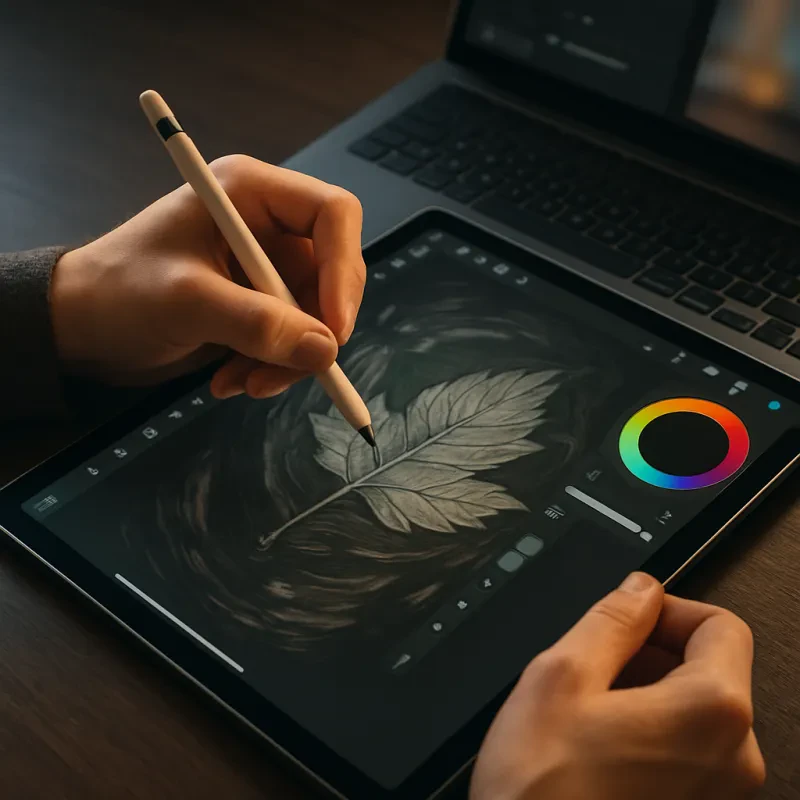
As the 2000s rolled in, tablets became more portable. The rise of devices like the iPad brought digital art to a wider audience. With apps like Procreate, artists could sketch on the go. No more being stuck at a desk! This shift made it easier for hobbyists and professionals alike to express themselves without the hassle of carrying lots of materials.
Today, we have incredible options available. From high-end tablets like the Wacom Cintiq, which offers a huge screen and amazing color accuracy, to budget-friendly options that still pack a punch, there’s something for everyone. The digital drawing tablets evolution has truly transformed how we think about art creation, making it accessible and exciting for artists of all ages and skill levels.
Features That Changed the Game
When we dive into the digital drawing tablets evolution, it’s clear that certain features have truly changed the game for artists. Remember the days when drawing on a tablet felt more like a chore than a passion? Well, that’s all changed. Here are some standout features that have made a huge difference.
First up, we have pressure sensitivity. This is a biggie! It allows artists to control the thickness and opacity of their strokes based on how hard they press the stylus. It feels so natural, making sketches look more dynamic and lifelike. No more flat, lifeless lines—just beautiful, expressive art.
Then there’s tilt recognition. This nifty feature lets artists create varied line styles simply by tilting their stylus. Whether you're shading or adding texture, this capability really opens up the creative possibilities. It helps to replicate the feel of traditional drawing tools, like charcoal or pencils, right on your screen.
Don’t forget about the advancements in screen quality. Many digital drawing tablets now boast high-resolution displays with vibrant colors and impressive color accuracy. This clarity makes a world of difference when you’re trying to visualize your art. You can easily see every detail, ensuring your work shines just the way you envision it.
Lastly, the integration of customizable buttons and shortcuts has been a game-changer. Artists can set up their tablets to fit their workflow perfectly. Need to quickly undo a stroke or switch brushes? Just a tap away! This level of customization makes the creative process smoother and more enjoyable, reinforcing the ongoing evolution of digital drawing tablets.
What’s Next for Drawing Tablets
The world of digital drawing tablets is always changing, and it’s super exciting to think about what’s next. Right now, we’ve seen some amazing advancements—from better screens to super responsive styluses. The digital drawing tablets evolution keeps pushing the boundaries, making it easier for artists to create their masterpieces.
One big trend is the integration of artificial intelligence into drawing tablets. Imagine having a tablet that can predict your next brush stroke or suggest colors that match your style. This kind of technology can help artists work faster and spark new ideas. It’s all about making the creative process smoother and more enjoyable.
Another cool direction is portability. Many artists are looking for tablets that are lightweight yet powerful. The latest models are getting thinner while still packing tons of features. This means you can carry your whole studio in a backpack, ready to create wherever inspiration strikes. Plus, longer battery life means less time tethered to a power source.
We’re also seeing a push towards enhanced connectivity. Expect seamless integration with other devices and platforms. Artists want to collaborate easily or share their work instantly on social media. The digital drawing tablets evolution will likely include features that make these interactions as simple as possible.
Lastly, we can’t forget about customization. Artists want tablets that feel like their own. More manufacturers are allowing users to personalize settings or even the interface to match their preferences. This means you can work in a way that feels natural and unique to your style. Exciting times are ahead in the realm of digital drawing tablets!